


Discover the Rich Flavors of Asian Cuisine

Asian cuisine offers a vibrant and diverse culinary experience that has captivated food lovers worldwide. From the bold spices of India to the delicate flavors of Japan, the continent's food culture is a treasure trove of tastes and traditions. Exploring popular Asian dishes allows you to embark on a flavorful journey that highlights unique ingredients, cooking techniques, and cultural stories. Whether you are a seasoned foodie or new to these flavors, this guide will introduce you to some of the most beloved dishes and provide practical tips to enjoy them at home or when dining out.
Exploring Popular Asian Dishes: A Culinary Adventure
Asian dishes are as varied as the countries they come from. Each region boasts its own specialties, influenced by geography, climate, and history. Popular Asian dishes often combine fresh herbs, spices, and sauces to create complex layers of flavor. For example, Thai cuisine is known for balancing sweet, sour, salty, and spicy elements in dishes like Pad Thai and Tom Yum soup. Meanwhile, Chinese cuisine offers a wide range of textures and tastes, from crispy Peking duck to savory dim sum.
When trying popular Asian dishes, consider the following tips:
Start with familiar flavors: If you are new to Asian food, try dishes with ingredients you recognize, such as chicken, rice, or noodles.
Experiment with condiments: Soy sauce, fish sauce, chili paste, and sesame oil can enhance your meal.
Pair dishes thoughtfully: Balance spicy dishes with mild ones, and complement rich flavors with fresh vegetables or light soups.
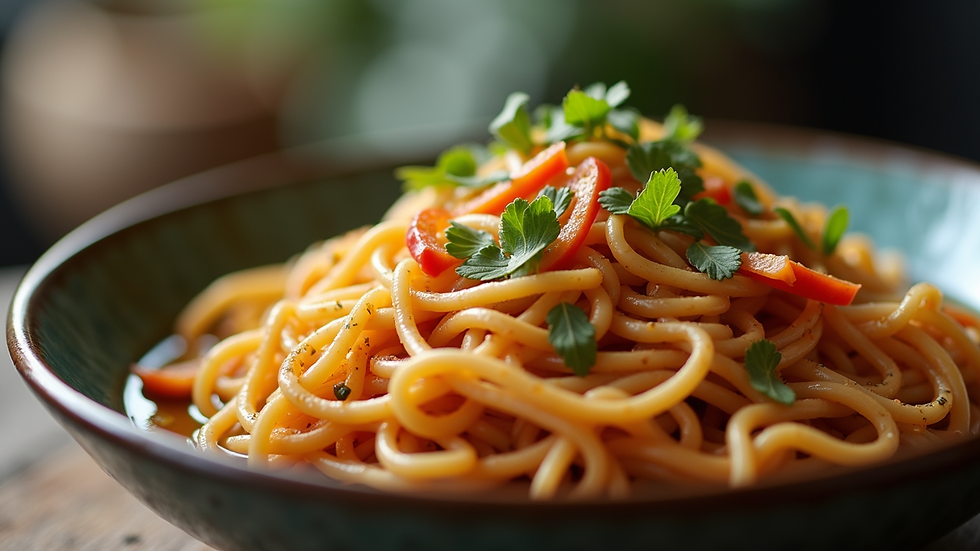
Pad Thai is a popular Thai dish known for its sweet and tangy flavors.
What Are Some Popular Asian Foods?
Asian cuisine includes a vast array of popular foods that have gained international fame. Here are some iconic dishes from different parts of Asia:
Sushi (Japan) - Bite-sized rolls or slices of vinegared rice paired with raw fish, vegetables, or egg. Sushi is celebrated for its freshness and artistic presentation.
Biryani (India) - A fragrant rice dish cooked with spices, meat, or vegetables. Biryani is rich in aroma and often served with yogurt or raita.
Pho (Vietnam) - A comforting noodle soup with beef or chicken, fresh herbs, and a clear, flavorful broth.
Kimchi (Korea) - Fermented vegetables, usually cabbage or radish, seasoned with chili, garlic, and ginger. Kimchi is a staple side dish with a spicy kick.
Dim Sum (China) - A variety of small steamed or fried dishes, including dumplings, buns, and rolls, perfect for sharing.
These dishes showcase the diversity and depth of Asian food culture. Trying them can open your palate to new tastes and textures.

Pho is a traditional Vietnamese noodle soup known for its aromatic broth.
Essential Ingredients in Asian Cooking
Understanding the key ingredients used in Asian cooking can help you recreate authentic flavors at home. Many Asian dishes rely on a few staple components that bring depth and character to the food:
Rice and noodles: The foundation of many meals, rice is often steamed or fried, while noodles come in various forms like rice noodles, egg noodles, and glass noodles.
Soy sauce and fish sauce: These salty, umami-rich sauces are essential for seasoning and marinating.
Fresh herbs and spices: Ingredients like cilantro, basil, ginger, garlic, lemongrass, and chili peppers add brightness and heat.
Oils: Sesame oil and peanut oil are commonly used for cooking and finishing dishes.
Tofu and seafood: Protein sources that are versatile and widely used across Asian cuisines.
When shopping for these ingredients, visit an Asian grocery store or order online. Keep your pantry stocked with these essentials to experiment with recipes from different countries.
Tips for Enjoying Asian Cuisine at Home
Bringing the flavors of Asian cuisine into your kitchen can be both fun and rewarding. Here are some practical recommendations to get started:
Invest in basic tools: A wok, rice cooker, and sharp knives will make cooking easier and more authentic.
Follow recipes closely at first: Asian dishes often require precise timing and ingredient combinations.
Use fresh ingredients: Fresh herbs and vegetables make a big difference in flavor.
Balance flavors: Taste as you cook and adjust seasoning to achieve the right harmony of sweet, sour, salty, and spicy.
Try meal prepping: Many Asian dishes can be prepared in advance and reheated without losing quality.
Exploring recipes from trusted sources, such as asian cuisine, can provide inspiration and guidance for your culinary journey.

Stir-frying is a quick and healthy cooking method popular in many Asian dishes.
Embracing the Cultural Experience of Asian Food
Enjoying popular Asian dishes is not just about taste - it is also about embracing the culture behind the food. Many Asian meals are communal, meant to be shared with family and friends. The presentation, rituals, and dining etiquette add to the overall experience.
To deepen your appreciation:
Learn about the origins: Understanding the history and significance of dishes enriches your meal.
Try dining at authentic restaurants: This offers a chance to taste traditional preparations and meet people passionate about their cuisine.
Participate in food festivals or cooking classes: These events provide hands-on experience and cultural context.
Pair food with traditional drinks: Green tea, sake, or lassi can complement your meal perfectly.
By immersing yourself in the cultural aspects, you transform eating into a meaningful and enjoyable adventure.
Exploring the rich flavors of popular Asian dishes opens a world of culinary delights. Whether you savor sushi, enjoy a bowl of pho, or cook a fragrant biryani, each bite tells a story of tradition and innovation. With the right ingredients, tools, and mindset, you can bring the magic of Asian food into your home and celebrate its vibrant culture every day.


Comments